The wonderful thing about architecture is that it has told the tangible tale of humankind. It has showcased the wonder of the human creative drive. Architecture has provided a window to the faiths ,industry, politics, and subsistence of cultures across the world and through time. It has embodied the ingenuity, individuality, intelligence and even hubris of humans . It has engaged our senses and prompted our emotions. This is the nature, the fundamental attribute of architecture, in showcasing the myriad of traits which define the human condition and spirit.
While this has been the nature of architecture to date, the story of architecture is about to come to a fork in the road . Thoughout time architecture has integrated the lives and living of humans with buildings . However a new branch of architecture is emerging which does not engage in this tale of humanity, in fact it has little to do with humans . This new branch can be considered as Machine Architecture .
As we examine the idea of Machine Architecture we are able to in turn contrast it with Human Architecture, and ask whether recent architectural practice has properly addressed the needs of humankind.
Machine architecture is architecture which accommodates another form of intelligence -artificial intelligence. This is architecture which is not built for us, but used to accommodate the needs of an intelligence developed to outsmart or even supplant us . Data centres are probably the most obvious examples of machine architecture. Vast anonymous buildings , devoid of natural light and natural ventilation nonetheless providing optimum comfort and ideal conditions for the machines within. Although banal in appearance this is not rudimentary architecture, this architecture is an expression of the needs of artificial intelligence. Technically complex, technologically sophisticated these hugely expensive energy hungry buildings currently use humans to design the homes for artificial intelligence. It can readily be conceived that within a short time artificial intelligence will be able to undertake the design of these facilities for itself .
A 2025 McKinsey report identified that by 2030 $7trillion ($11trillion AUD) would likely be invested on the development of Data Centres globally. This represents a significant portion of world-wide total construction spend, so it seems valid to consider this non-human stream of architecture as a stand-alone category.
Importantly we have a typology, an iconography for an architecture which fulfills the need of AI machines. We can use this typology as a counterpoint, to contrast it with the recent architecture, our preoccupations and predelictions, and ask if what we have designed for humans has possibly been more appropriate for machines.
In the 1923 book “Towards an Architecture” Le Corbusier coined the modernist mantra “A house is a machine for living in” .In the book Le Corbusier eschewed traditional decoration and instead promulgated a new way forward which favoured a more rational, systems oriented approach to architecture. Modernism, as it has become known defines both an approach to design and a methodology of construction. It has been the primary architectural force which has defined our urban environments over the past century. Architects , with the blessing of Le Corbusier ,design’s high priest, with missionary zeal and complete faith proselytized modernism to the far flung corners of the world. They have sought out the beauty in every possible permutation of the structural grid, and have created the buildings which largely define the fabric of the modern city.
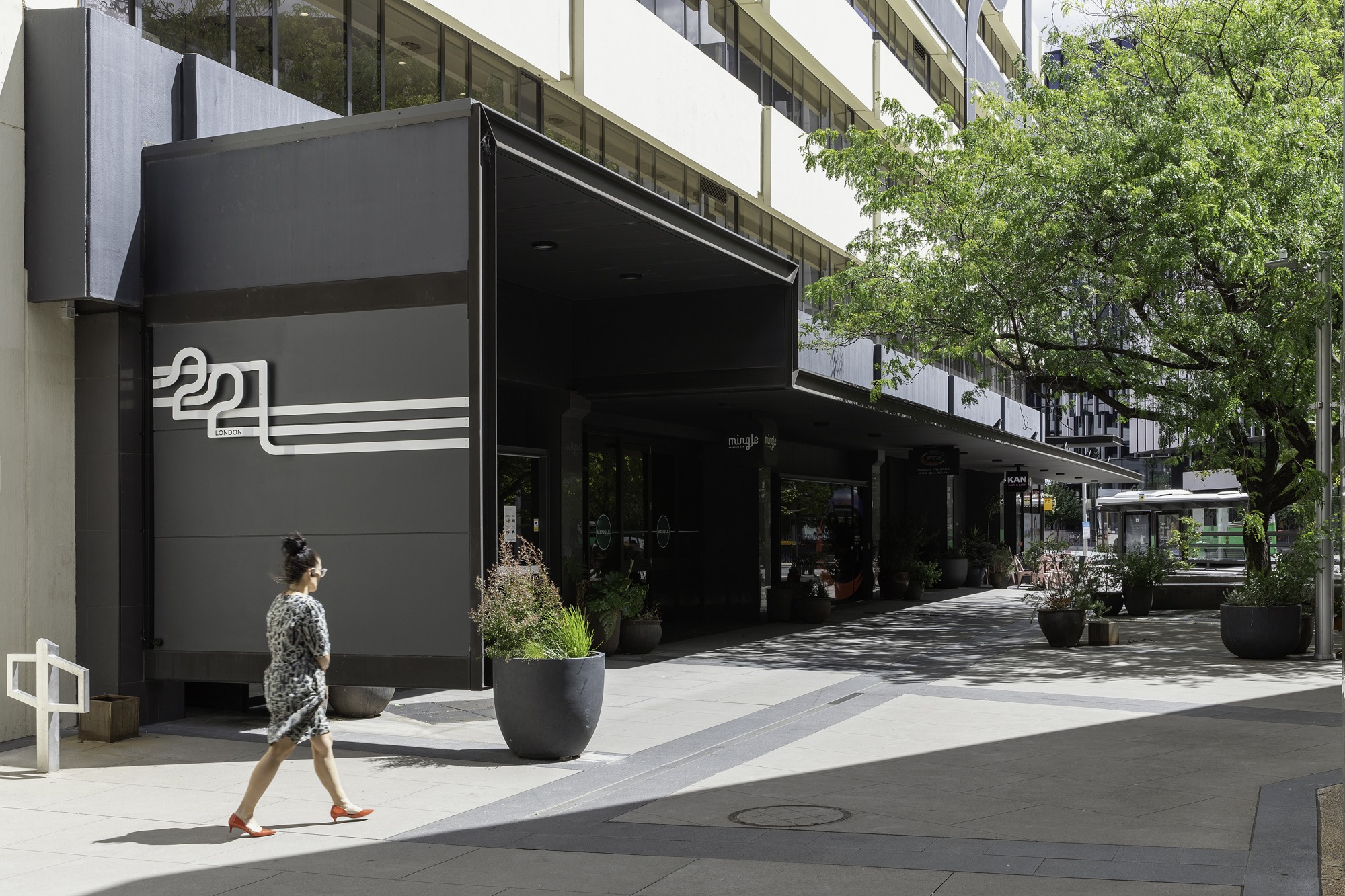
Casting a dispassionate eye at modernism we need to recognise the shortcomings of this recent journey in architecture. Characterless internal working and living environments affording nether joy or delight. Bland monoliths not acknowledging the tiniest grace to their place amongst the human community. The emptiness of experience at the negative ground floor plane. This obsession with system has even extended to the design of our streets where the preoccupation with and prioritisation of infrastructure has lead to desolate culverts not offering humans an opportunity to meander , pause or gaze.
This tradition carries on, with a continuing meanness in the design of many contemporary projects and precincts, where they appear to have more in common with Machine Architecture than Human Architecture.
I’m pleased that Machine Architecture has come along , servicing the needs of an alternative intelligence. What an unexpected revelation that its invention has created the impetus to question architectural practice overall. Architects are now challenged to consider what or who they are designing for. Through this challenge we are now being asked to question how we better respond to the needs and desires of humans and our communities. I’m hoping that we are in the midst of ushering in a new era for architecture. A new era where we can write a better chapter for the tale of humankind in architecture.