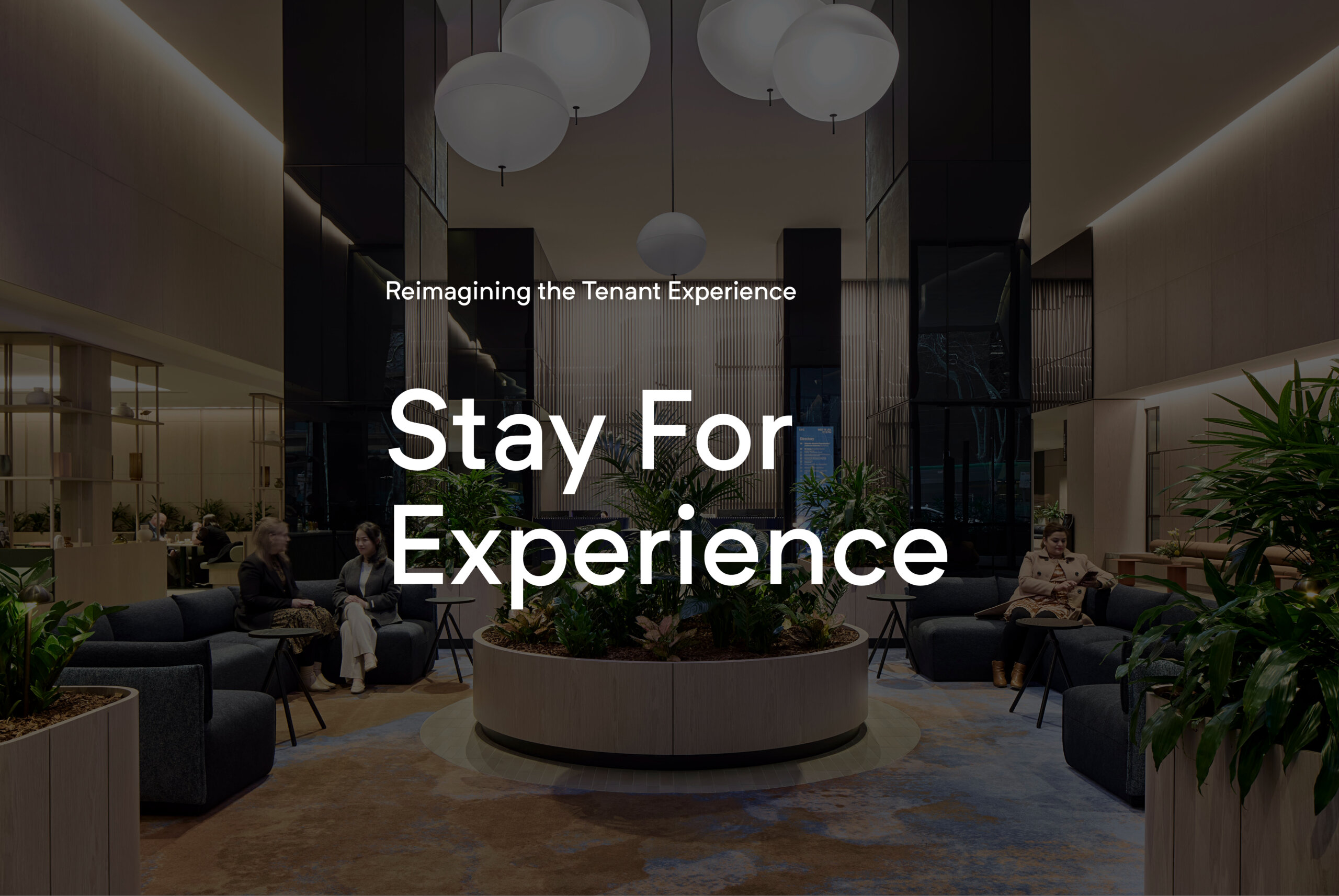
In this Insight, Senior Associate Ben Wilkie explores the significant shift underway in Australia’s office market. Hybrid work, changing tenant expectations and growing ESG pressures are reshaping what businesses value in the places they occupy.
Much of the conversation has focused on the “flight to quality” where tenants are downsizing while upgrading to premium, amenity-rich buildings. But alongside that movement, another story is emerging: tenants choosing to stay because landlords are reinvesting in the buildings they already know.
Rather than relying solely on major redevelopment or relocation, many asset owners are rethinking how existing buildings can evolve through targeted upgrades, shared amenity and experience-led design. The focus is shifting from simply providing space, to creating places people genuinely want to spend time in.
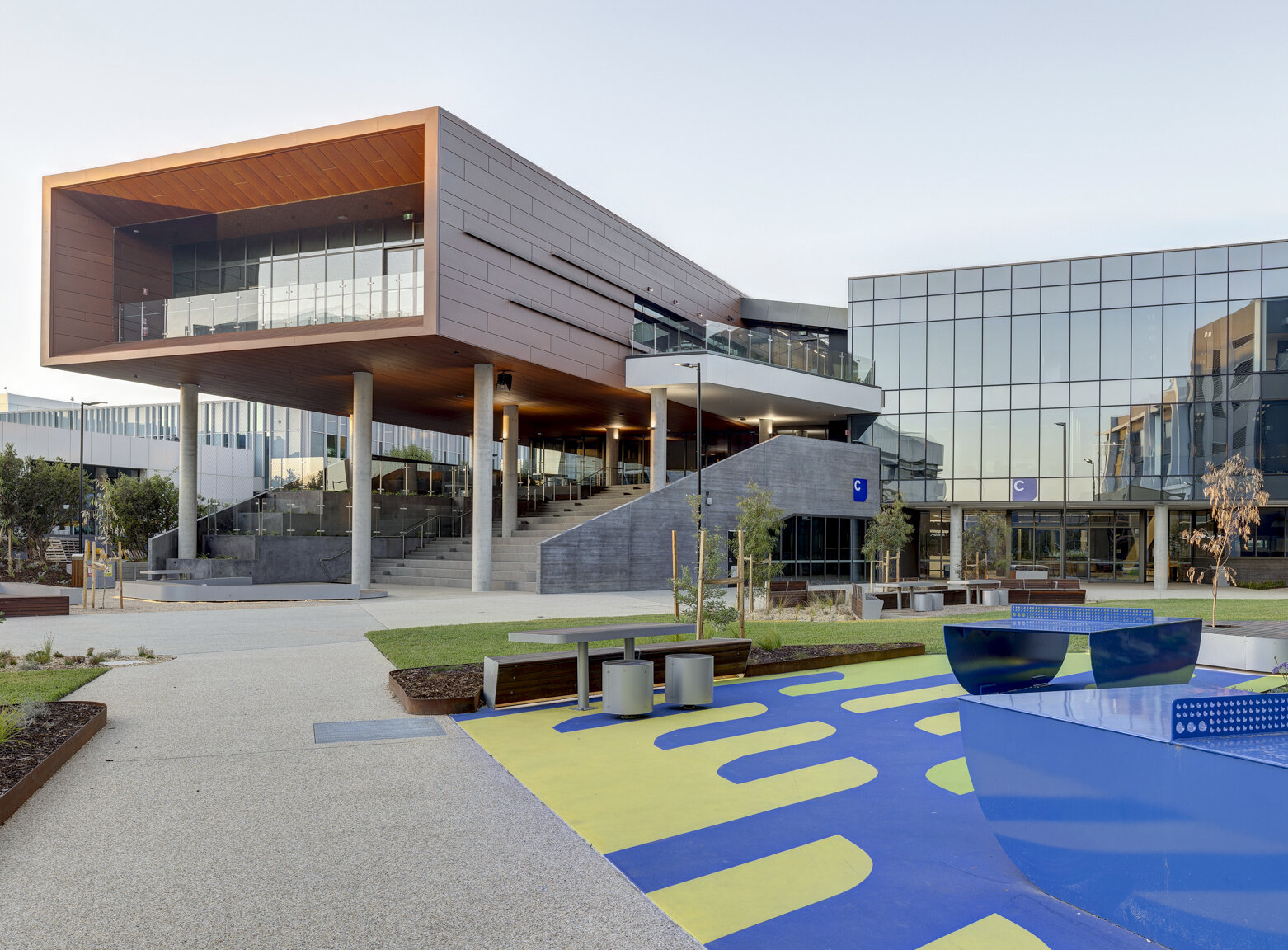
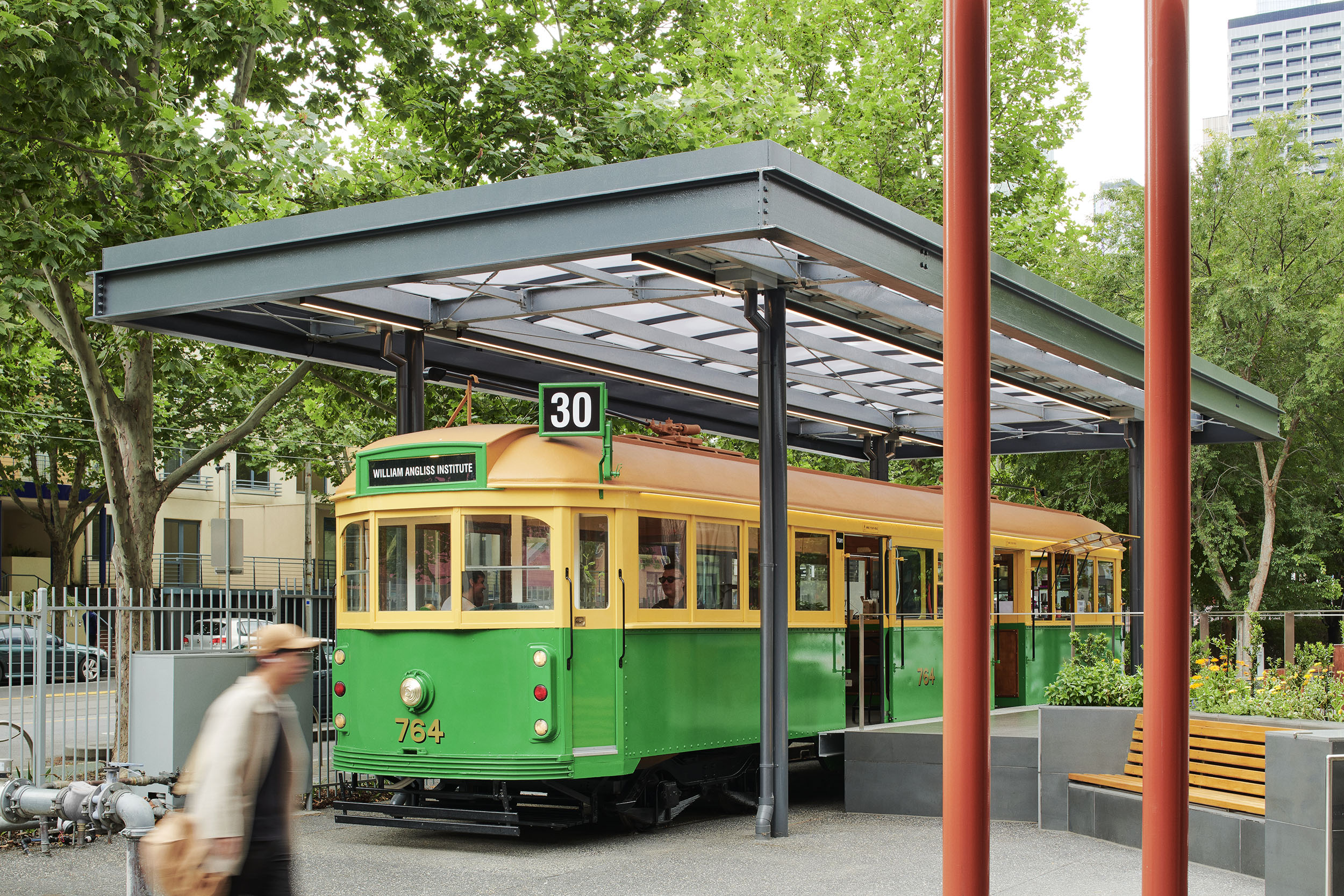
Increasingly, it’s these smaller but more meaningful changes such as improved arrival experiences, activated communal spaces, wellness facilities and stronger connections to precinct and community that are helping older assets remain relevant in a changing market.
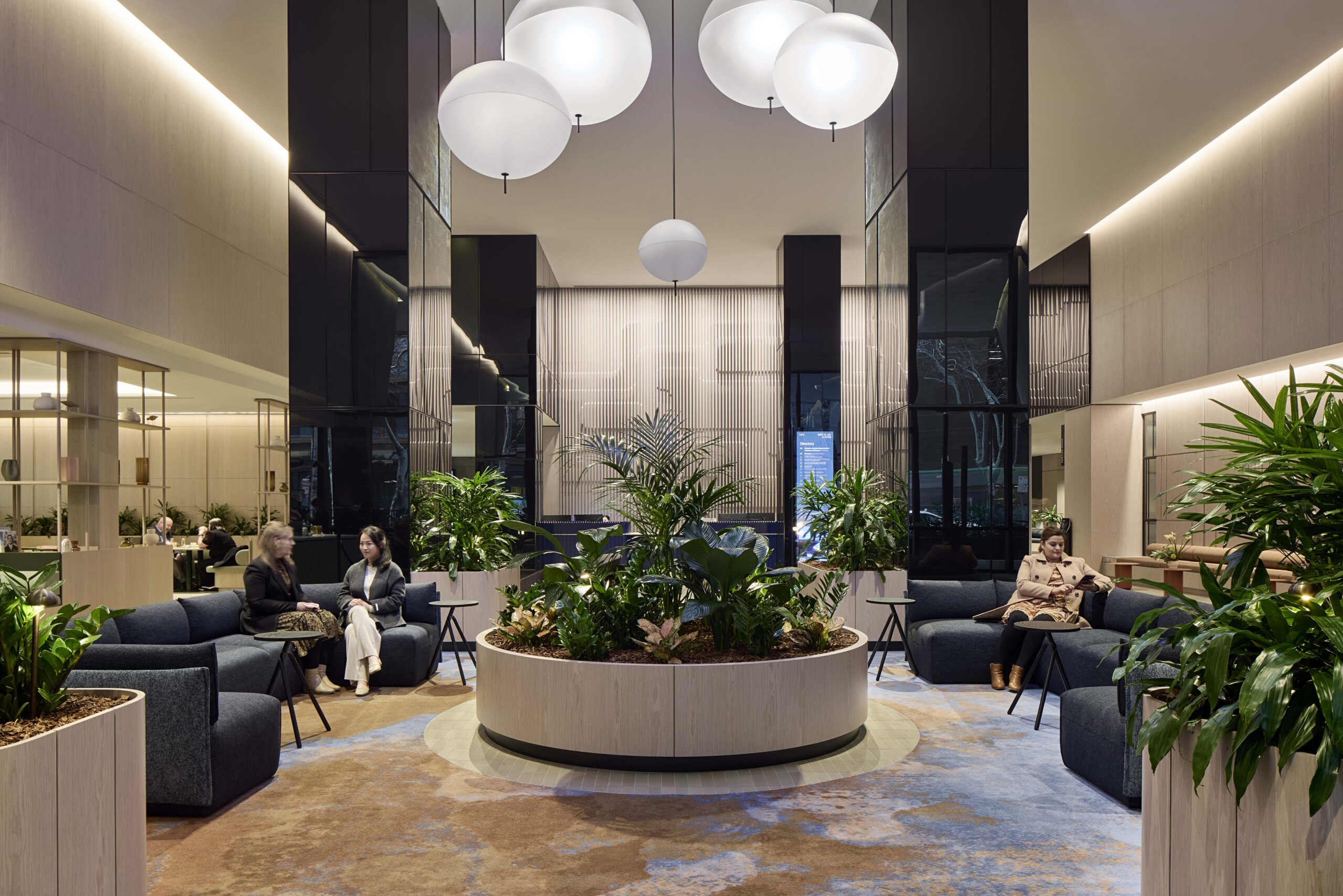
The flight to quality nationally reflects a broader change in tenant priorities.
Businesses may not need the same amount of space they once did, but the spaces they keep are expected to work much harder. Quality buildings are no longer viewed as a luxury, they’re seen as an important part of attracting people back in, supporting culture and reflecting brand identity.
For landlords, this has created a growing divide across the market. Premium buildings continue to perform strongly, while secondary-grade assets face increasing pressure to adapt.
But that pressure also presents opportunity.
Many existing commercial buildings already have the foundations tenants are looking for: established locations, strong connectivity and embedded tenant communities. What’s changing is how those assets are being repositioned through experience, amenity and more thoughtful design interventions.
Rather than competing directly with new developments, these buildings are finding new relevance by offering something different. Familiarity, flexibility and a stronger sense of connection.
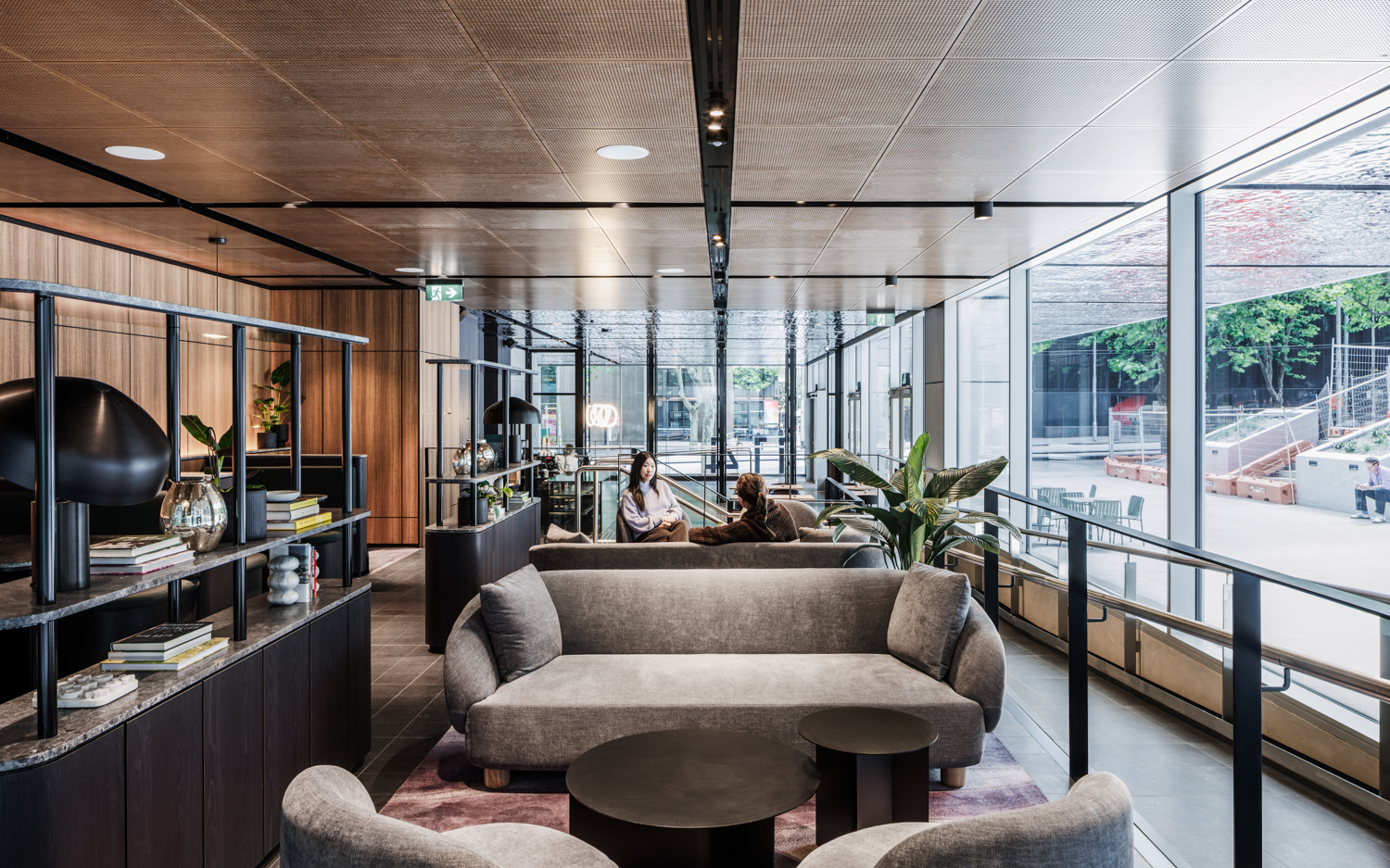
Not every tenant wants to move, they just want something better.
For many businesses, relocating comes with disruption. Existing buildings often already hold value through location, familiarity and established ways of working. The question is no longer simply whether tenants move, but whether their current environment continues to support them.
This is where design can play a powerful role in retention.
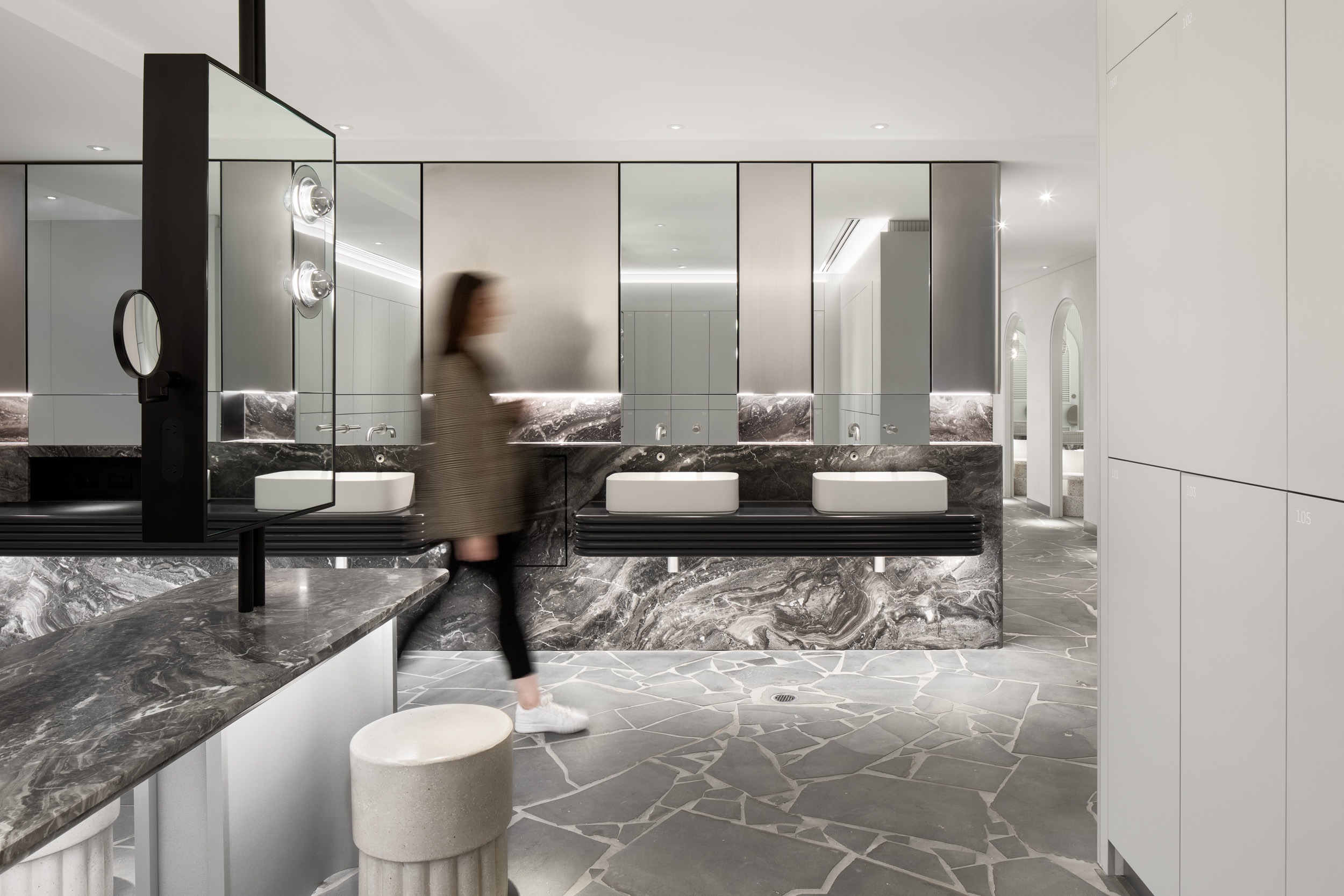
By rethinking how spaces feel, function and connect people, landlords can create environments that feel considered, engaging and adaptable to changing tenant expectations. Hospitality-inspired lobbies, shared amenities, wellness spaces and activated communal areas all contribute to a stronger day-to-day experience.
Importantly, these changes don’t always require large-scale redevelopment. Smaller, carefully targeted interventions can completely shift how a building is perceived, helping existing assets feel renewed, relevant and more aligned with the needs of modern tenants.
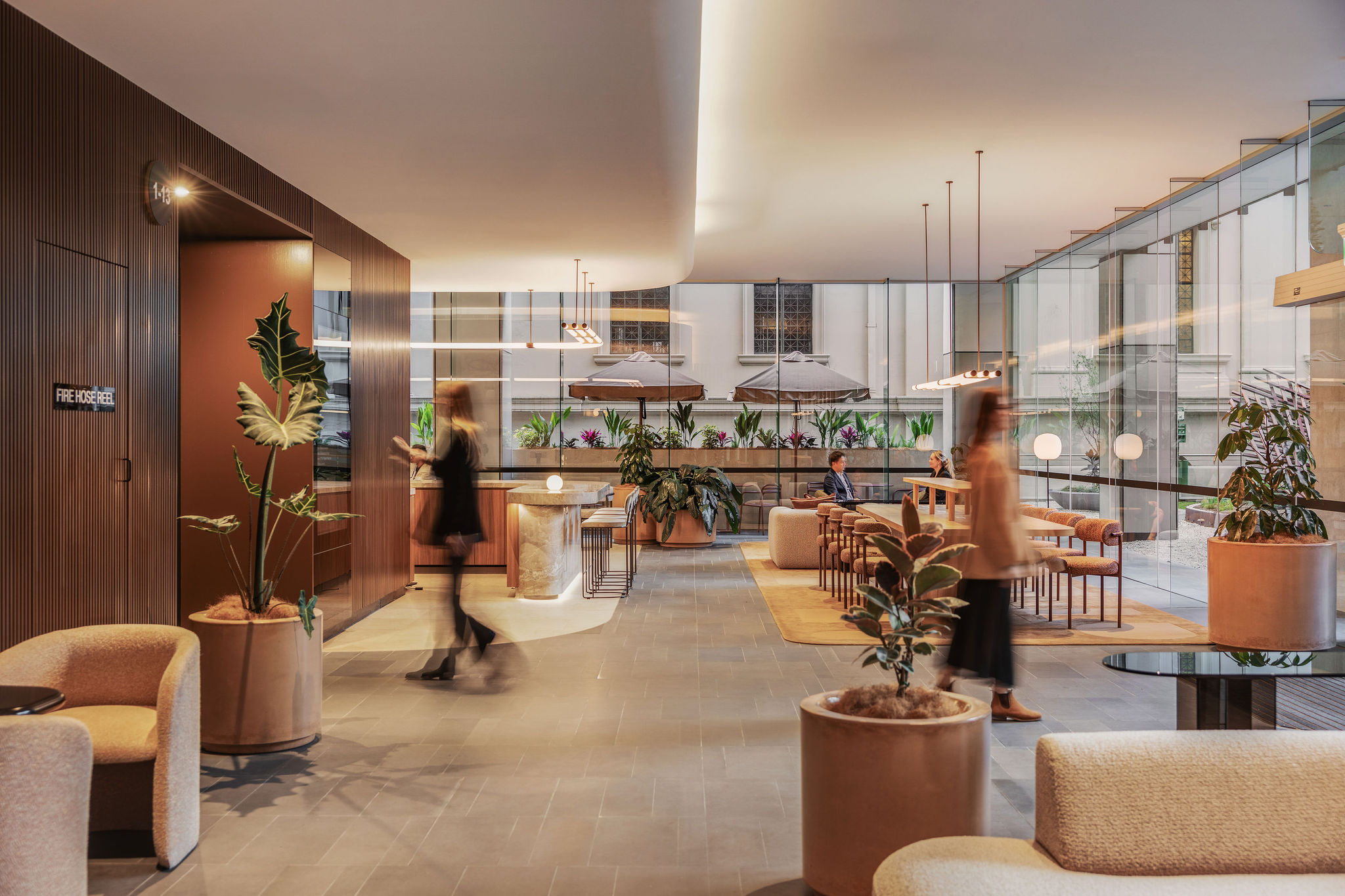
The trend is present nationally and for landlords, attraction and retention are becoming equally important.
While premium developments are in short supply, retaining existing tenants through thoughtful reinvestment is becoming increasingly valuable.
This is creating two distinct but connected approaches to commercial property: attracting future tenants through new, premium assets, and retaining them by repositioning existing buildings around experience, amenity and adaptability.
Buildings that fail to evolve risk being left behind. But those that invest in the everyday experience of their tenants have an opportunity to strengthen relevance, improve performance and build longer-term loyalty.
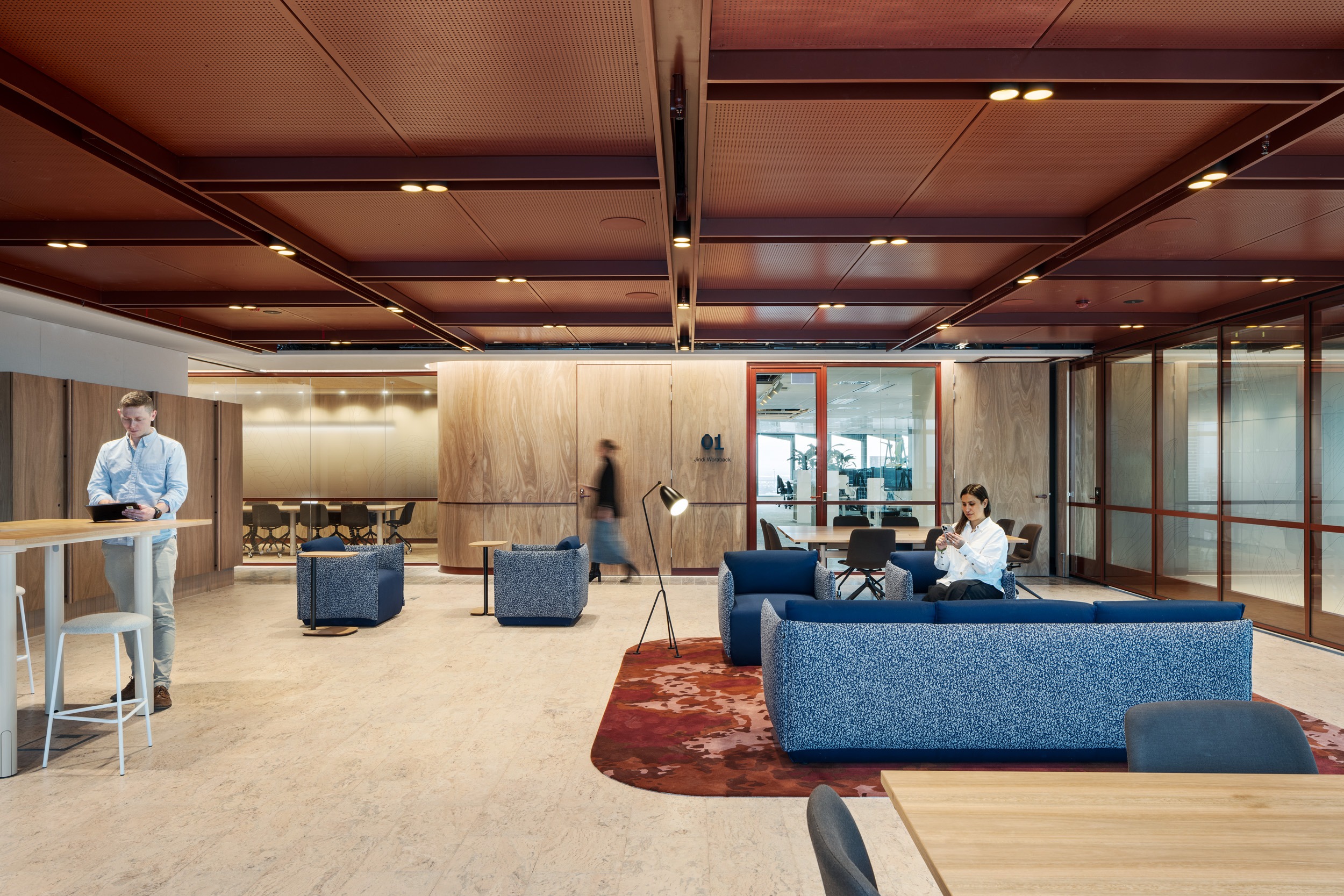
The conversation around the office market is no longer just about who moves, it’s also about who stays, and why.
While the flight to quality will continue to influence demand, the “stay for experience” movement reflects a broader shift in how value is understood across commercial property.
The most successful buildings will be the ones that balance both dynamics, attracting new tenants while continuing to evolve for the people already there.
In this landscape, loyalty is built through experience. Through spaces that feel connected, adaptable and genuinely enjoyable to use every day. And increasingly, it’s this ability to evolve existing assets thoughtfully that will define long-term relevance within the market.