Economic caution, hybrid work, rising construction costs and artificial intelligence are forcing organisations to ask: how does the office support our business?
If the answer is somewhere to put desks, the investment is increasingly difficult to defend. If it is stronger judgement, faster learning, deeper relationships and a more cohesive business, the office becomes strategic infrastructure. Across Melbourne and Sydney, many tenants are renewing rather than relocating, preserving flexibility without committing to relocating. But staying put is not necessarily standing still.The more consequential decision is what organisations do with the space they already have.
Organisations still compete for talent and express their identity through space. Elevated construction costs, uneven attendance and uncertain workforce requirements make relocation or a new fitout harder to justify as an automatic upgrade. A better-looking workplace is not necessarily a better-functioning one. These questions still need asking: what works? What gets in the way? What should be retained? What must change?
“The question isn’t whether a business needs an impressive office. It’s whether the office helps that business do something it couldn’t do as effectively without it,” says Dr Donna Wheatley, National Workplace Sector Lead. “Workplace strategy must inform the property decision, not arrive after the lease has been signed.” This is not an argument against investment. It is an argument against investment without intent.
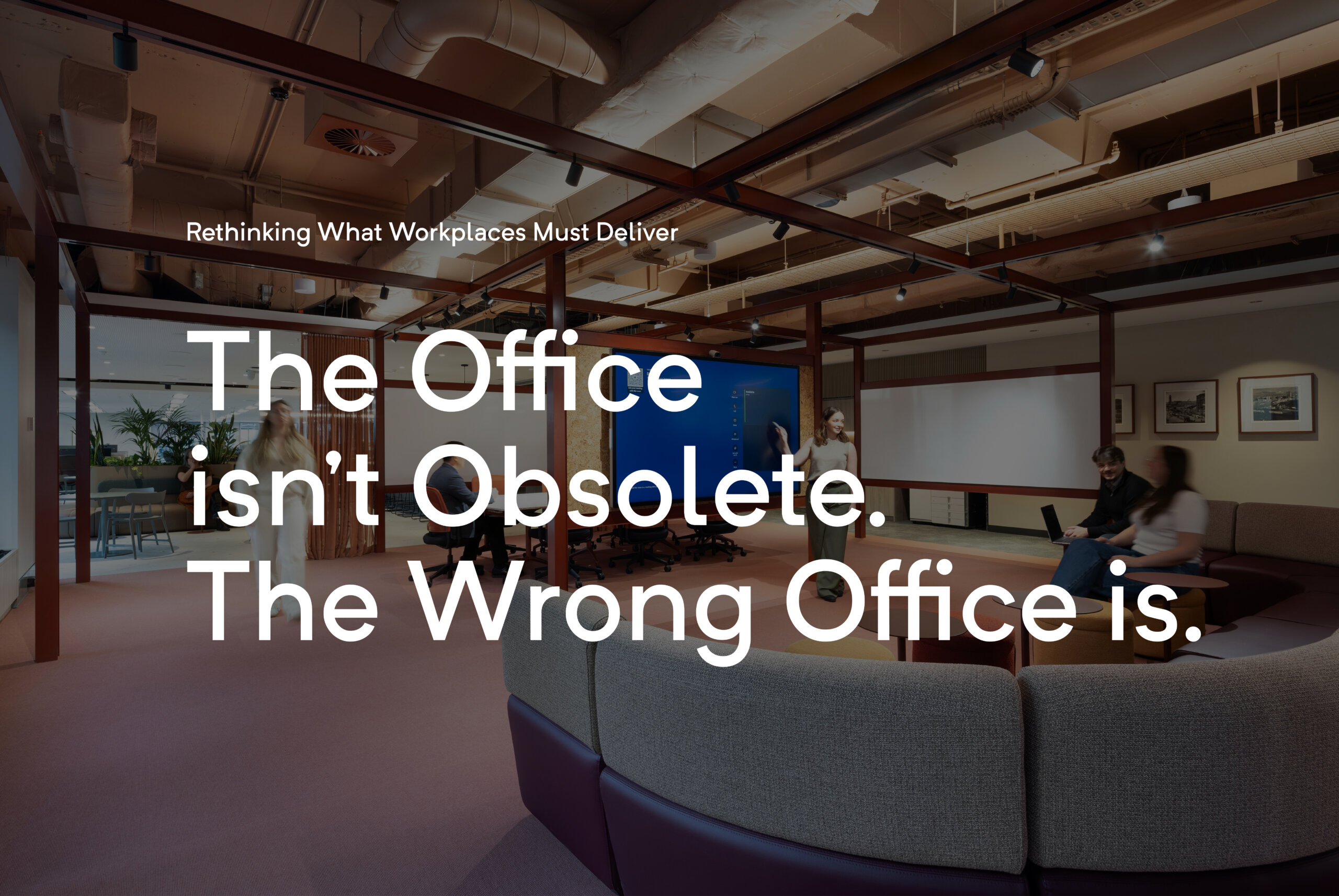
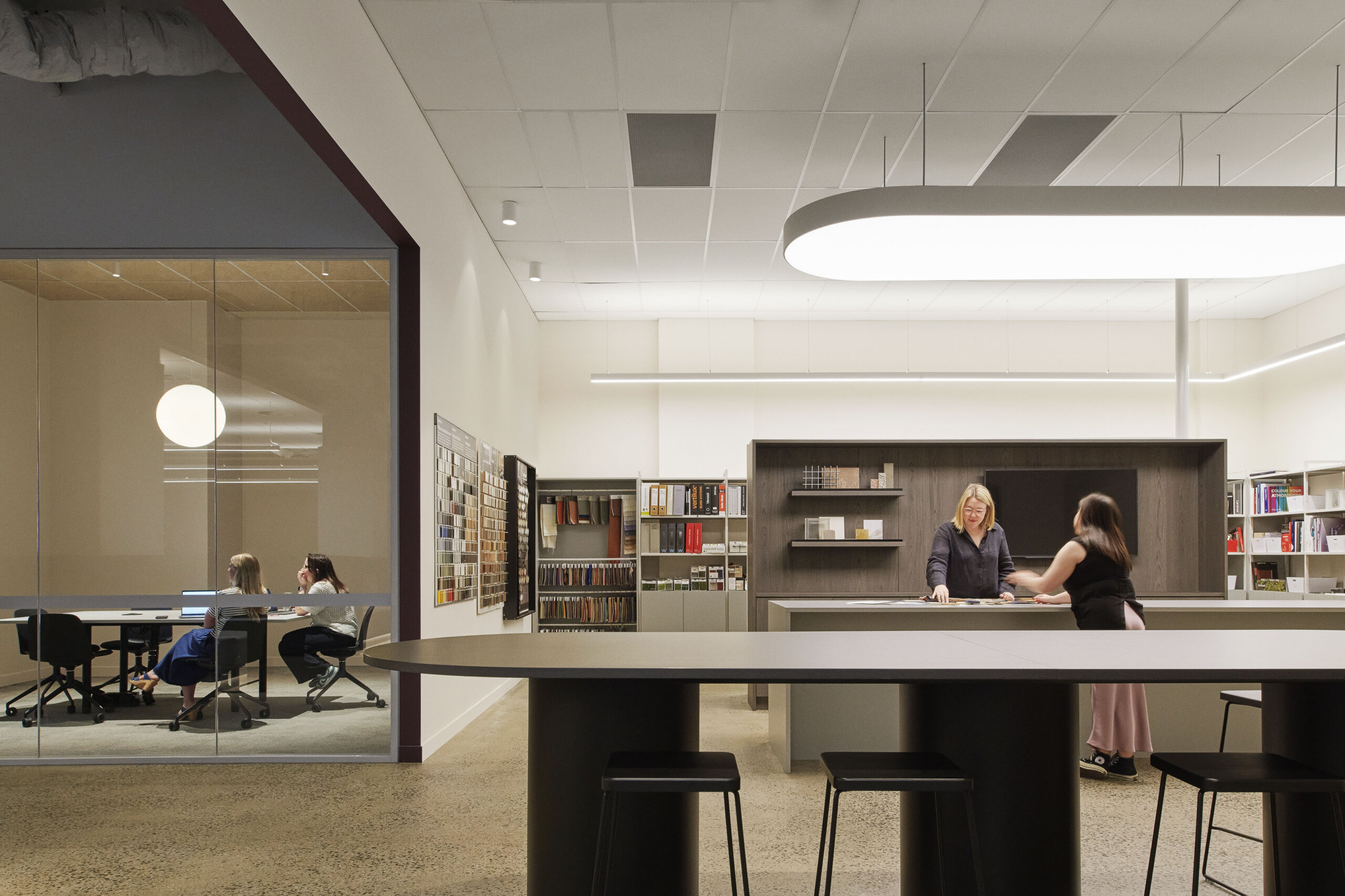
Perpetual’s teaming hubs give this argument a practical expression. Rather than treating collaboration as something that happens simply because people share an office, they provide a dedicated setting for teams to come together around shared work. Their value is not in how impressive they look, but in how effectively they support knowledge-sharing and collective problem-solving.
Much individual work can happen beyond the office. That does not eliminate the need for a shared workplace. It exposes the weakness of offices designed primarily around individual work. The future office must support concentration. An office that promises collaboration but makes focused work impossible, may believe they solved one problem, without recognising another was created.
“Getting people through the door is not the same as creating a productive workplace,” says Dale O’Brien, Workplace Sector Lead Victoria. “The real test is whether being there improves their work, their relationships and their connection to the organisation.”
Getting people into the office by adding impressive amenities doesn’t automatically make it work better.
Stop confusing new with better.
Landlords’ speculative suites and turnkey fitouts offer speed, convenience and cost certainty. For some organisations, they are the right answer.
But ready to occupy does not necessarily mean ready to perform. A generic fitout can accommodate a headcount without supporting how an organisation makes decisions, develops people or serves clients. The product should follow the strategy. Not the other way around. The same discipline applies to refurbishment.
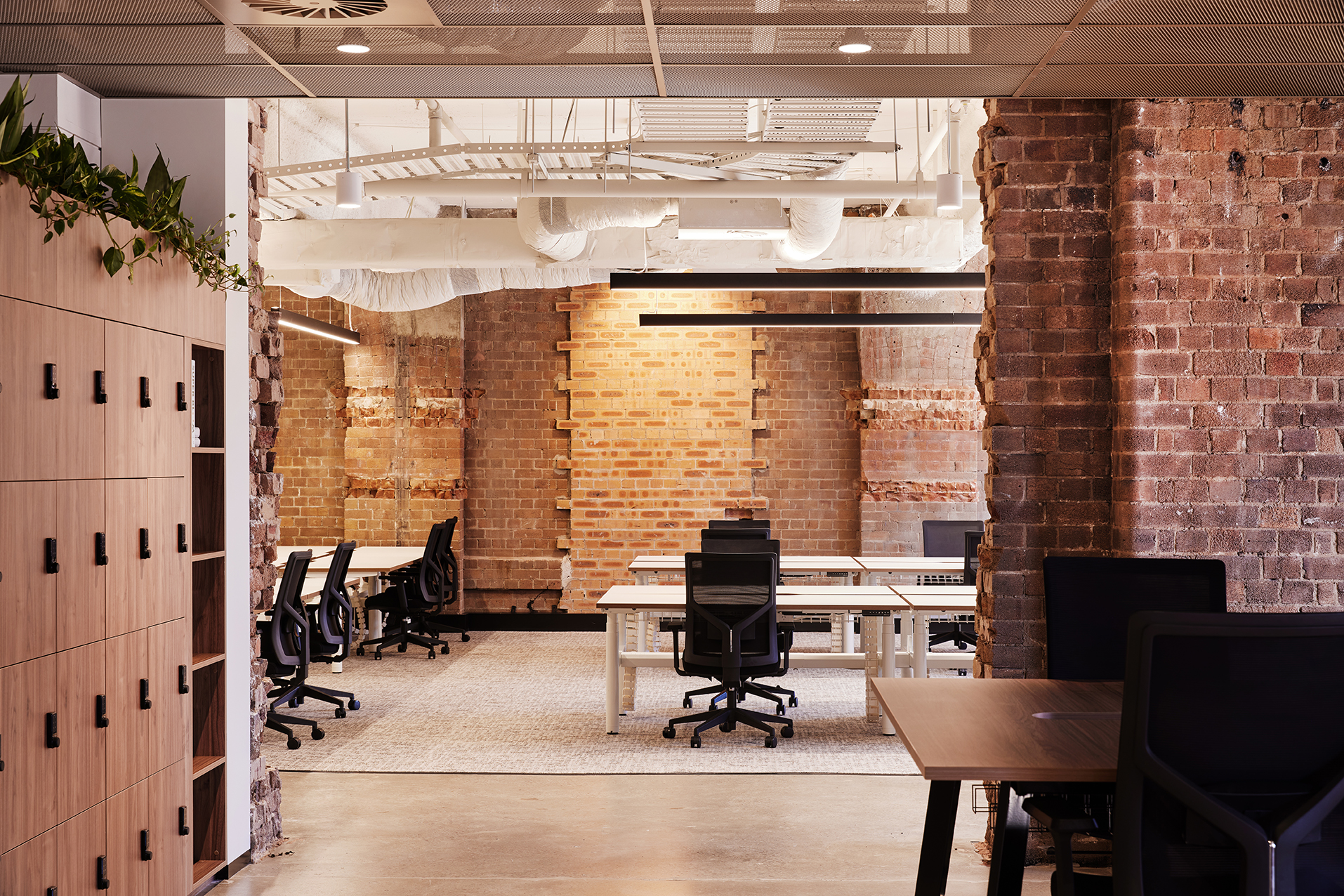
Functional workstations, partitions, ceilings and finishes are routinely discarded because a lease changes or a new aesthetic is preferred. As embodied carbon and construction waste receive greater scrutiny, transformation through wholesale demolition becomes harder to defend. Adaptive reuse offers an alternative: retain what performs, change what does not, and invest where improvement is meaningful.
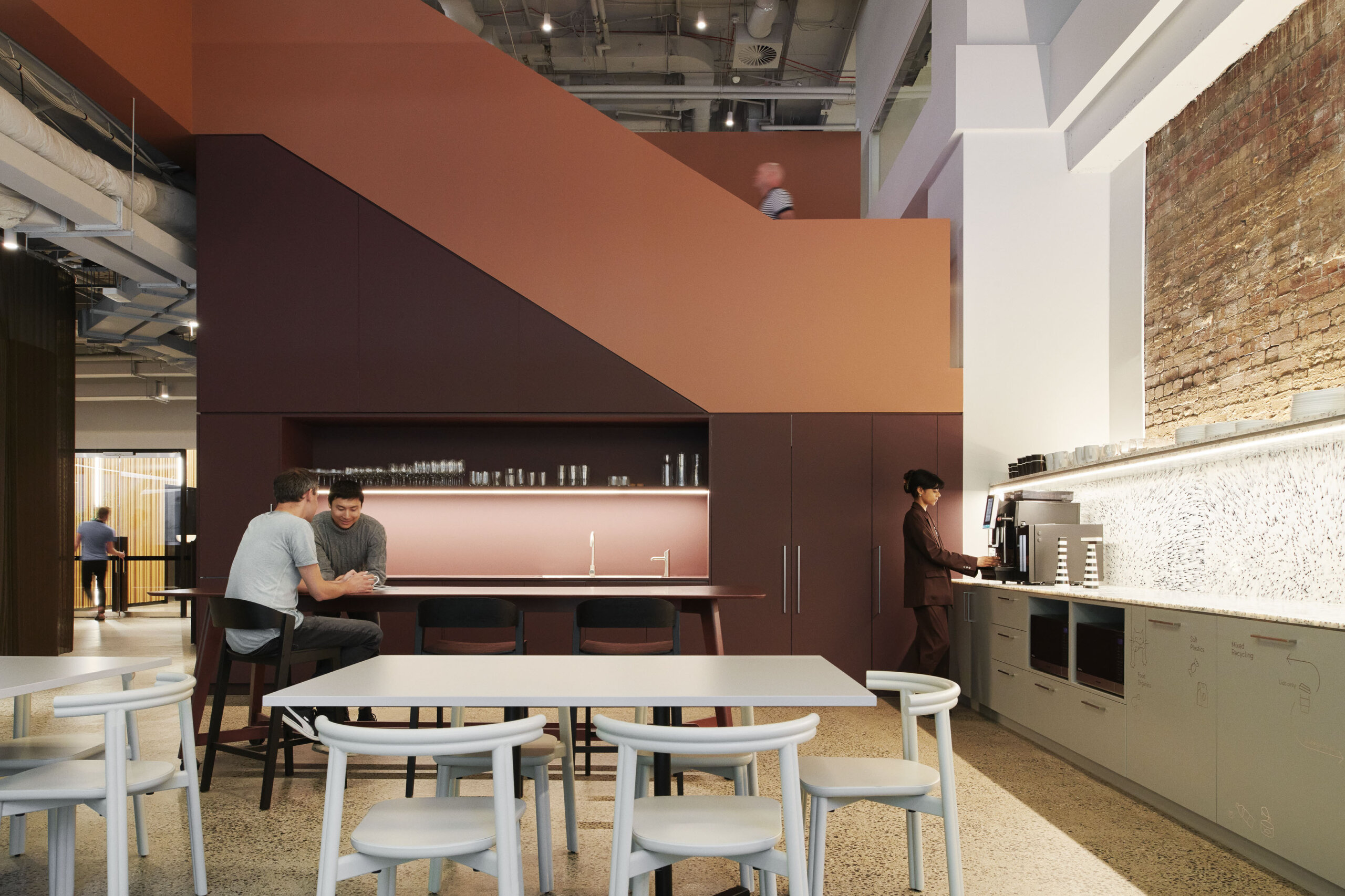
Projects such as Perpetual and Gray Puksand’s Melbourne studio demonstrate how thoughtful reuse can deliver contemporary, high-performing workplaces while reducing material waste. They challenge the assumption that a fresh start requires stripping everything out.
“Demolition should be a decision, not a default,” says O’Brien. “Good design recognises the value in what already exists and makes it work harder. Newness alone is not a measure of quality.”
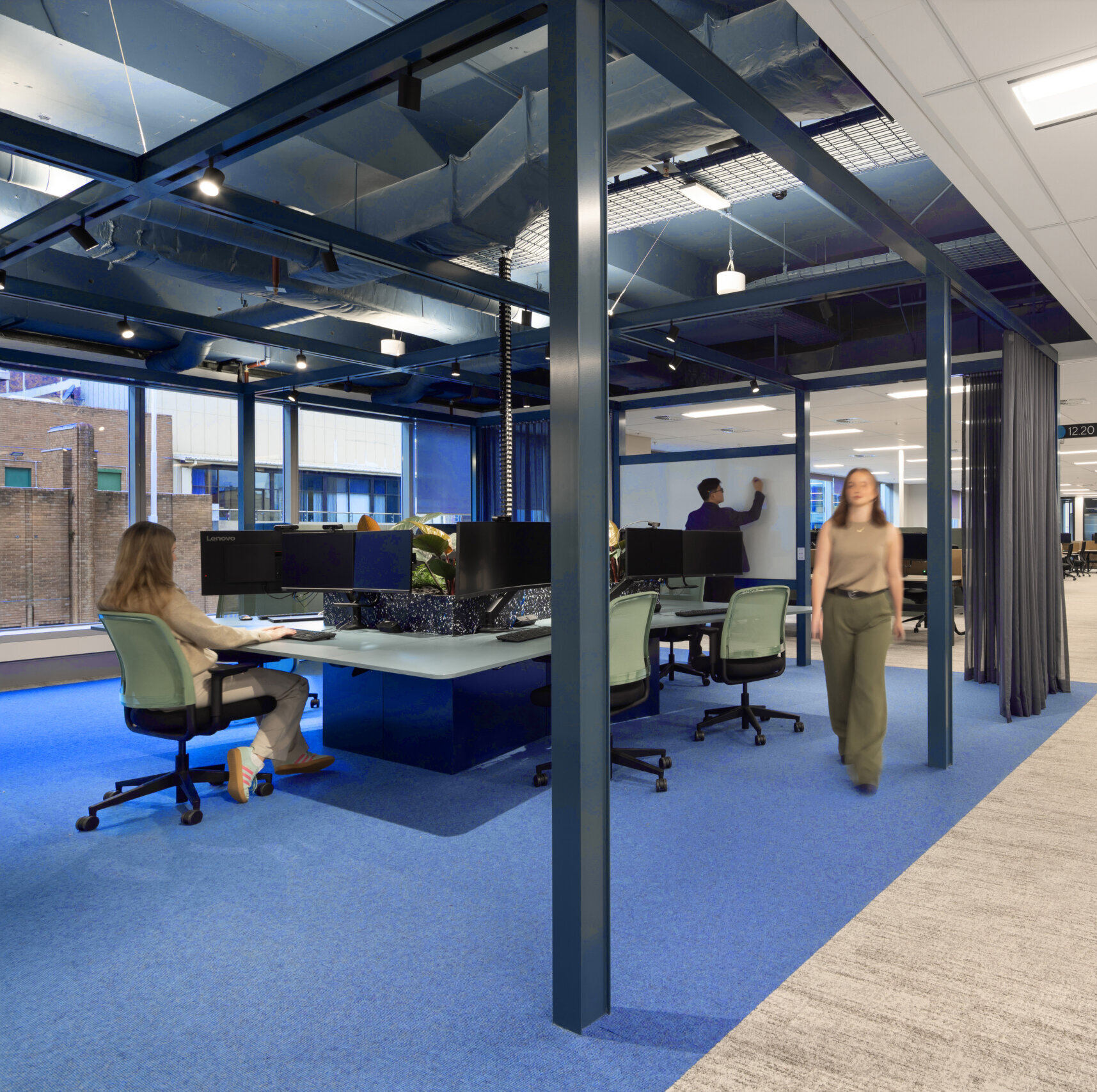
As AI changes tasks and workflows, organisations cannot confidently predict future headcounts or space requirements. But uncertainty about how much space a business needs should not be confused with uncertainty about whether human interaction matters. If information, analysis and routine outputs become faster and more accessible, competitive advantage may increasingly depend on judgement, trust and the ability to turn ideas into coordinated action.
“As technology makes more work possible anywhere, organisations must be more deliberate about what happens when people come together,” says Dr Wheatley. “The office can become more important for judgement, learning and connection, but only if it supports those things.”
That requires adaptable environments and clear organisational intent. Architecture cannot compensate indefinitely for a business that has not decided how it wants to work.
Early strategic advice matters because some of the most expensive workplace mistakes happen before design begins.
The future is not a choice between an extravagant headquarters and no office at all. It is a choice between space that houses a business and space that strengthens it.
The office is not becoming obsolete. The office without a clear purpose is.